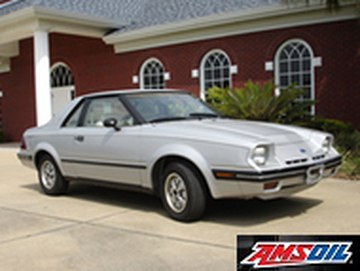
Maintaining Lubrication Integrity for the 1982 Ford EXP 1.6L
Proper engine care for a vehicle of this era involves consistent monitoring and an understanding of how aging components interact with modern fluids. For the 1982 Ford EXP equipped with the 1.6L engine, maintaining the lubrication system is a fundamental aspect of long-term mechanical health. Because older engines often have different tolerances and seal compositions than modern vehicles, a proactive approach to maintenance can help ensure smooth operation.Monitoring Fluid Condition and Consumption
One of the most effective ways to monitor the health of the 1.6L engine is through regular observation of the oil's appearance and level. Changes in how the engine utilizes lubricant can be early indicators that require further investigation. If you notice a significant decrease in fluid levels between service intervals, it warrants a closer look at the engine's sealing surfaces. When checking the oil, pay attention to its color and texture. While used oil naturally darkens over time due to heat and operational cycles, an extremely dark or gritty consistency might suggest that the oil is being subjected to excessive thermal stress or that the filtration process is not keeping up with contaminants. Furthermore, if you observe any unusual odors or changes in how the engine sounds during startup or idling, these symptoms can have multiple causes and should be investigated by a professional to rule out mechanical issues.Observing Potential Warning Signs
While many engine issues develop gradually, certain signs should prompt immediate attention. For an owner of a 1982 Ford EXP, being observant about the environment around the vehicle is key. Visible fluid seepage on the driveway or around the engine bay can indicate that gaskets or seals are beginning to lose their effectiveness due to age or heat cycles. It is important to remember that a single symptom does not provide a definitive diagnosis. For example, an unusual noise might be related to various mechanical components, and a small amount of seepage may not immediately indicate a critical failure. However, treating these observations as prompts for inspection rather than ignoring them can prevent minor issues from escalating into more significant repairs. If you notice any warning lights on the dashboard related to lubrication or engine temperature, address the situation immediately to protect the internal components of the 1.6L engine.Prioritizing Maintenance Based on Current Condition
As vehicles age, the strategy for maintenance often shifts from strictly following a calendar-based schedule to a condition-based approach. For this Ford EXP, rather than assuming every component needs replacement simply because of its age, it is more effective to prioritize tasks based on what you actually observe during routine inspections. If you have access to previous service records, reviewing them can help establish a baseline for how the vehicle has been treated in the past. If no history is available, your first priority should be to document the current state of all fluids and major visible components. This allows you to distinguish between necessary preventive maintenance and unnecessary parts replacement. Addressing active leaks or addressing signs of fluid degradation first will provide the most significant benefit to the engine's longevity.Inspecting Aging Components and Seals
The materials used in 1982, such as various rubber compounds for seals and hoses, can change in flexibility over several decades. When performing routine service on the 1.6L engine, it is useful to inspect accessible areas for signs of deterioration.- Seals and Gaskets: Inspect visible sealing surfaces for any evidence of weeping or seepage. While small amounts of moisture may be present on older engines, consistent leaks should be addressed to maintain proper fluid levels.
- Hoses and Connections: If the vehicle is equipped with various cooling or vacuum hoses, check them for signs of cracking, hardening, or brittleness.
- Electrical Integrity: Inspect accessible wiring and electrical connectors for signs of corrosion or fraying, which can affect engine performance and sensor accuracy.
- Drive Components: If the engine is equipped with external belts, inspect them for glazing, cracks, or fraying.